Small Appliances · Alternatives
Skip the Built-In Grinder: Three Setups That Work
A built-in grinder saves a purchase and a footprint, then cannot be replaced. Three routes — two machines, one box, or no espresso at all — and the upgrade path each one leaves you.
Affiliate disclosure: Some links on this page are affiliate links. If you buy through them, we may earn a commission at no extra cost to you.
Quick verdict
- The choice is not grinder-or-not: it is whether the grinder can be replaced independently of the machine.
- Best upgrade path: a 51 mm machine with a PID plus a standalone grinder that also takes 58 mm handles.
- Best footprint: a built-in grinder model — one body, one cable, grinding straight into the basket.
- Most honest option: if you drink filter coffee, a grind-and-brew drip machine beats any espresso route here.
Prices change daily — check the current price on the listing.
Check price at AmazonOpens the retailer's product page. Commission may be earned.
How this page was made: specifications come from the manufacturers' product pages and retail listings for the machines named here, checked in November 2026 and linked in Sources. We did not grind, brew or measure anything. Where a value is not published we say so rather than estimate it. See how we research.
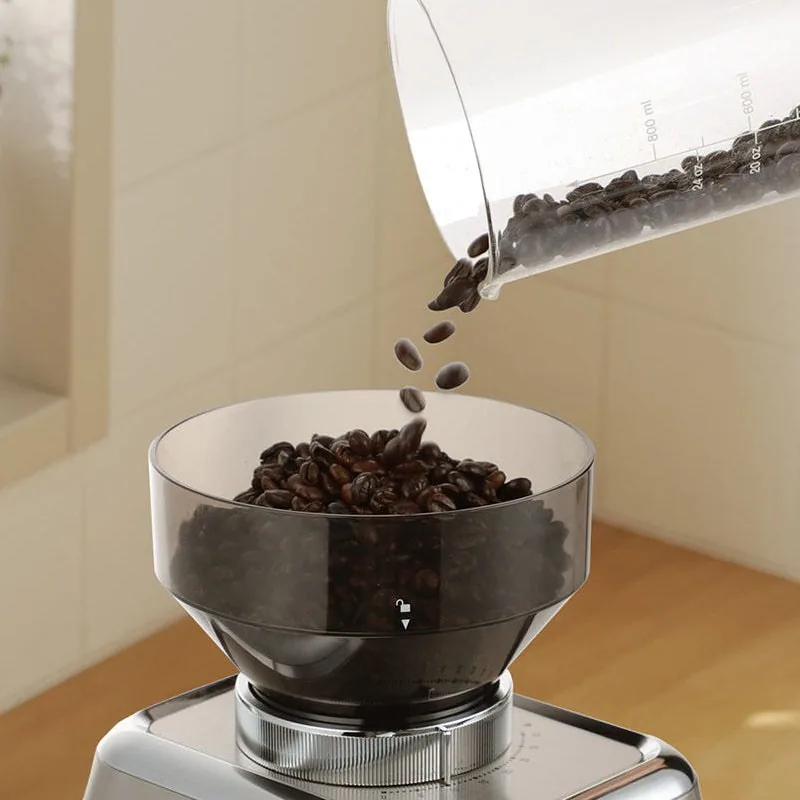
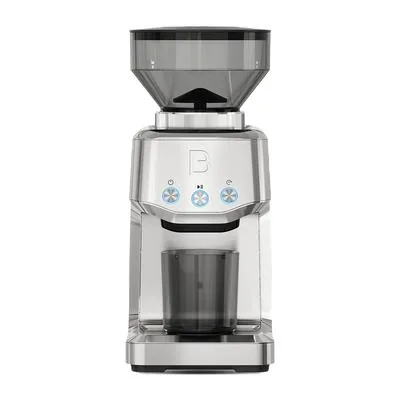
Manufacturer image: loading a standalone hopper-fed grinder, the Tornado Basic used as the separate-grinder example on this page. This site has not used the unit. — Source: casabrews.com
Why the grinder gets outgrown before the machine
An espresso machine is mostly plumbing: a pump, a boiler and a group head. A grinder is where consistency comes from, and consistency is what you actually chase once your technique stops being the bottleneck. That is why the standard advice — buy the best grinder you can and a simple machine — keeps holding.
A built-in grinder is a packaging decision, not a quality claim. It saves a purchase, a cable and a footprint, and in this class it is adjustable enough to work. What it cannot do is get replaced. On a machine with a grinder bolted inside, outgrowing the grinder means replacing the machine.
So the real question is not "grinder or no grinder". It is which of three routes you are on, and each of them has a different upgrade path.
Route 1: machine and grinder bought separately
A compact 51 mm machine plus a standalone conical burr grinder. This is the route with the only clean upgrade path: when you want better, you replace the grinder and keep the machine, or the reverse.
The mechanical requirement is the portafilter cradle. The Casabrews Tornado Basic holds 51, 54 and 58 mm handles, so the same grinder will dose into a compact machine now and a 58 mm machine later. It has 35 stepped settings, a 150 W motor and a 0.55 lb hopper, and it is stainless rather than the plastic-bodied grinders at the bottom of the category.
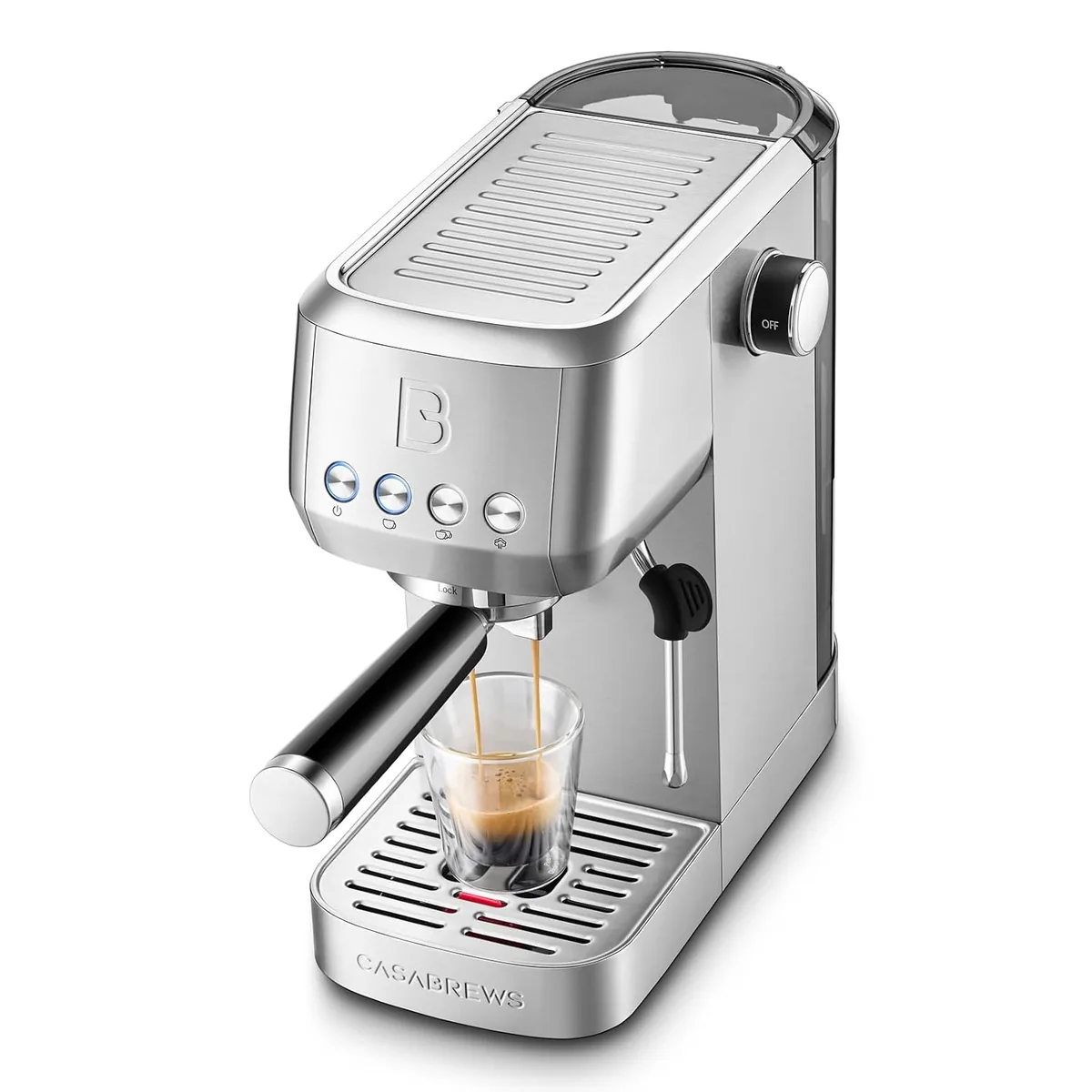
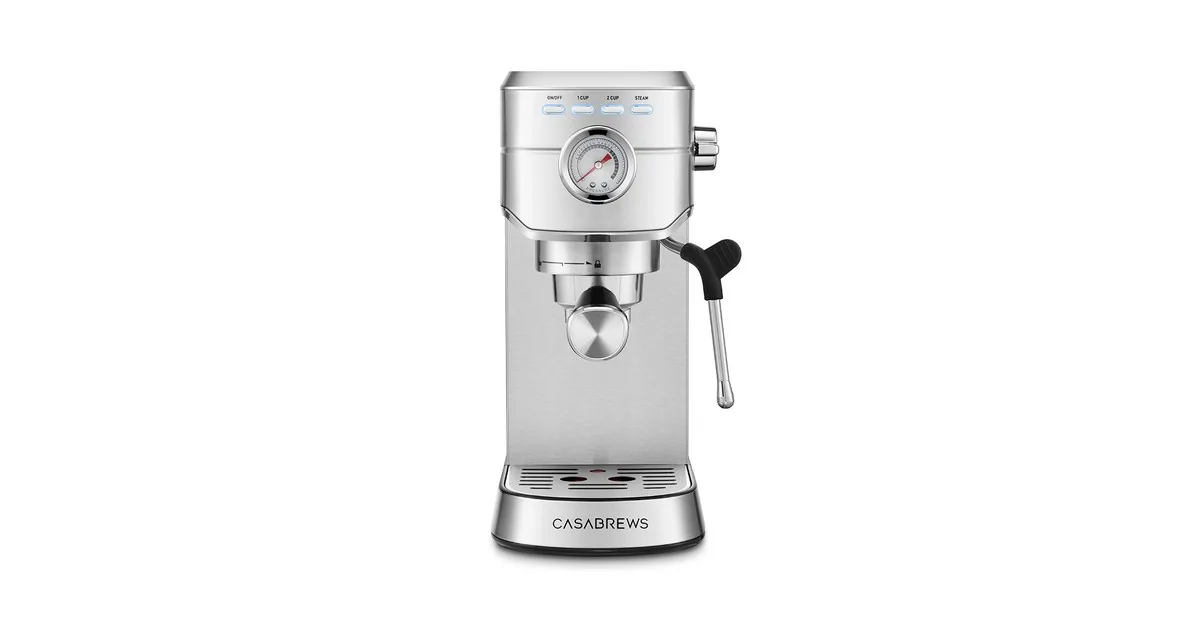
The machines to pair it with are the ones with a real basket: the Gevi 20 Bar Compact (51 mm, PID, 34 oz tank, 12.3 inches deep) if counter space is the constraint, or the Casabrews CM5418 if you want PID plus pre-infusion from the same brand as the grinder.
The cost is counter real estate and mess: two machines, two cables, and stray grounds around the portafilter when you dose.
Route 2: one box with the grinder inside
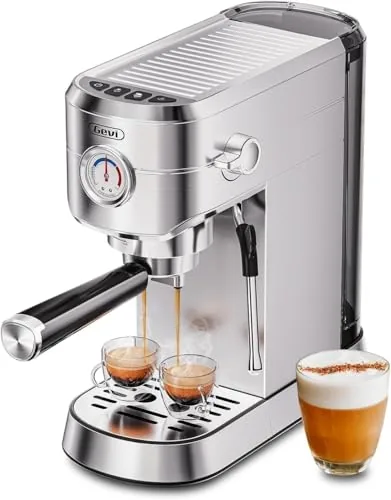
The Gevi 20 Bar with built-in grinder (35-step conical burr, 20 bar, pressure gauge) and the Gevi Dual Boiler ECMF0 (30-step grinder, 58 mm non-pressurised baskets, dual boiler) are the two versions of this route we cover.
What you gain: a single footprint, one cable, grinding straight into the basket, and a shorter workflow in the morning. What you give up: the ability to change the grinder independently, and usually the ability to weigh a dose cleanly — owner comments on the ECMF0's product page describe the auto-grind cycle occasionally overfilling the portafilter.
The choice inside this route is really boiler count, not the grinder: 35 steps on a single-boiler machine and 30 steps on a dual-boiler machine behave much the same, while the boiler changes how a second milk drink tastes.
Route 3: skip espresso entirely
If the honest answer is "I drink two cups of filter coffee a day and I do not want a stovetop brewer", the right purchase is a grind-and-brew drip machine, not an espresso machine with a grinder attached.
The Gevi 10-Cup Grind & Brew has 8 grind settings, 3 strength settings, a 24-hour timer and a grind-off mode for pre-ground coffee, in a 1.5 L / 900 W body. Eight settings is not a compromise here: filter brewing tolerates a much wider grind window than espresso does, and the grind-off switch means the machine still works if the burrs or the hopper give you trouble.
This route is the one that most often ends with the machine actually being used in year two, because the workflow is a timer rather than a routine.
What each route costs you
| Footprint | Route 1: two machines. Route 2: one. Route 3: one, but wider than an espresso machine. |
|---|---|
| Upgrade path | Route 1: replace grinder or machine separately. Route 2: none — the pair moves together. Route 3: none needed. |
| Learning curve | Route 1: steepest — dial-in, dose, tamp, and two machines to learn. Route 2: same dial-in, one machine. Route 3: fill, set the timer. |
| Cleaning | Route 1: grinder plus machine. Route 2: one body, but beans live inside it. Route 3: basket and carafe. |
| Bean freshness | Grind per shot (Routes 1 and 2) beats grinding a pot's worth at once (Route 3). |
| Failure modes | Route 1: one part breaks, the other still works. Route 2: a grinder fault can take the machine out of service. |
Which route fits your morning
| Two milk drinks, and you expect to upgrade within two years | Route 1 — 51 mm machine plus the Tornado Basic, then keep the grinder when you upgrade the machine. |
|---|---|
| One drink, small counter, no interest in upgrades | Route 2 — a built-in grinder model with a smaller footprint. |
| Two milk drinks, and you want the shortest morning | Route 2, dual boiler — grinding, brewing and steaming in one body. |
| Filter coffee, made on a timer | Route 3 — grind-and-brew drip. An espresso machine here is the wrong purchase. |
| You already own a good burr grinder | Route 1 without the grinder purchase — buy the machine only, and check the basket type before anything else. |
For the specs behind all of this, see the buying guide. For the three machines we would shortlist in one price band, see the under-$200 roundup.
Bottom line
Buy the grinder you can keep and the machine you can afford. If you would rather have one box, buy one box and accept that the grinder moves when you upgrade. If what you actually drink is filter coffee, buy the drip machine and stop shopping for espresso.
Frequently asked questions
Why not just buy a machine with a built-in grinder?
You can, and for many people it is the right call: one box, one footprint, one cable. The trade is that the grinder is the component people outgrow first, and on an integrated machine outgrowing it means replacing the machine rather than the grinder. If you expect to keep upgrading, buy them apart.
Can one grinder work with machines of different sizes?
Only if it supports several portafilter cradles. The Casabrews Tornado Basic takes 51, 54 and 58 mm handles, which covers both the compact 51 mm machines and the 58 mm commercial-style group heads. A grinder with a single cradle locks you to one size class.
Is a separate grinder louder or messier than a built-in one?
Usually both, slightly. A standalone conical burr grinder is a separate motor in its own housing, and dosing into a portafilter leaves more stray grounds than grinding directly into a basket. The compact-class machines we cover put the grinder in the same body partly to avoid that mess.
Do I need a grinder at all if I only drink drip coffee?
No. A grind-and-brew drip machine does the grinding and the brewing in one box, and many let you switch the grinder off and use pre-ground coffee. That is the cheapest way to get fresh-ground coffee at home if espresso is not the goal.
How many grind settings is enough for espresso?
Enough to move in small steps around the range where your beans work. Stepped grinders in this class run from 8 to 35 settings; 35 gives finer adjustment for espresso, 8 is aimed at filter brewing. More steps is not automatically better — step size and burr quality matter more than the count.
Sources
- Casabrews: Tornado Basic grinder — 35-step conical burr, 51/54/58 mm cradles, 150 W, 0.55 lb hopper
- Casabrews: TORNADO with 77 settings and LCD — the timed-dosing step above the Basic
- Retail listing: Gevi 20 Bar Compact — 51 mm group head, PID, 34 oz tank
- Retail listing: Gevi 20 Bar with built-in 35-step burr grinder
- Gevi: Dual Boiler ECMF0 — 30-step built-in grinder, removable hopper
- Gevi: 10-cup grind & brew — 8 grind settings, 3 strength settings, grind-off mode
How this page was researched
Research-based profile, not a hands-on test. We did not measure pressure, grind consistency, temperature stability or brew time. Specifications come from the manufacturer's and retailer's published pages; where a value is not published we say so instead of estimating it. Prices and availability change without notice — confirm on the listing before buying.