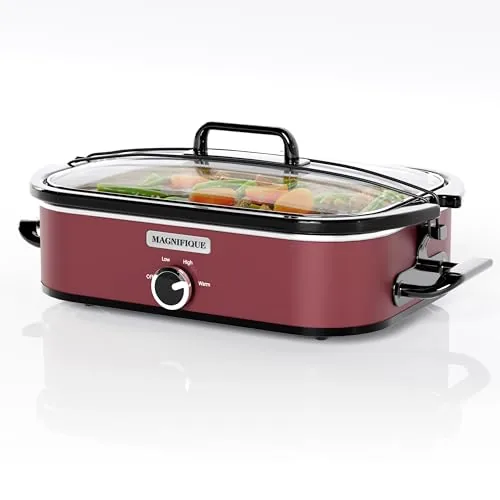
MAGNIFIQUE 4-Quart Slow Cooker Review: Low, High, Warm
A square 4-quart casserole with a four-position dial, 922 ratings at 4.6 stars. The shape is a real advantage; the missing timer is a real cost.
Read guideThe Nurah Goods notebook
Clear reviews and buying advice for cookware, tableware, and the small appliances that earn counter space. Browse cookware, tableware, or small appliances — and choose with confidence.
All articles
Showing 3 of 26 articles
A square 4-quart casserole with a four-position dial, 922 ratings at 4.6 stars. The shape is a real advantage; the missing timer is a real cost.
Read guide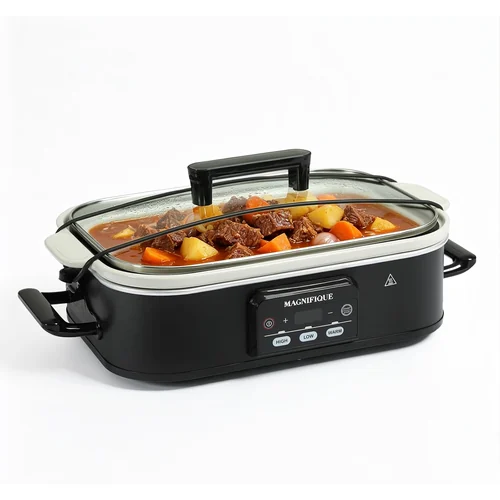
Same square 4-quart body, now with a keypad and auto keep-warm. Only 32 ratings on this listing — and a near-identical twin with 575.
Read guide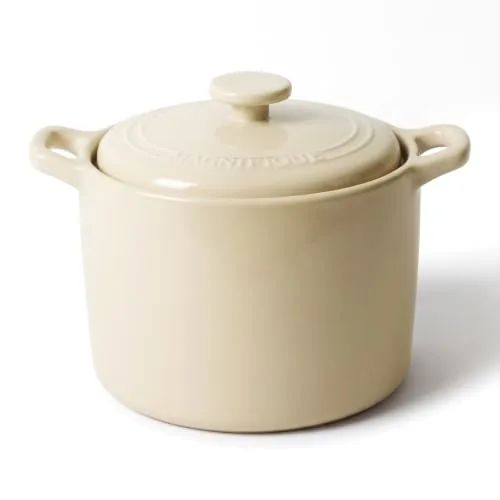
Natural clay, a sealed surface, oven and gas/electric stovetop. What a clay pot does that coated ceramic cannot, and the habits that crack it.
Read guide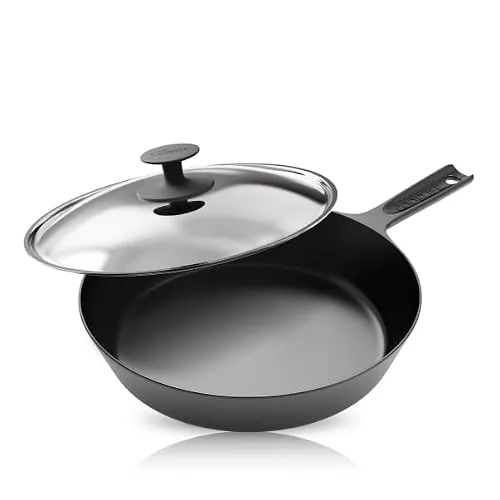
A cast iron skillet sold as 30% lighter with a polished cooking surface and a stainless lid. Where thin iron helps, and where it does not.
Read guide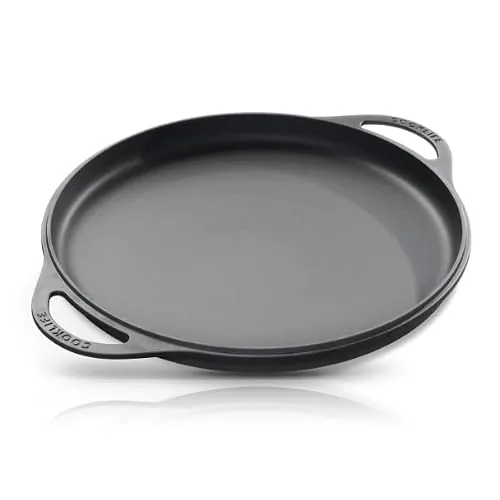
A 12-inch shallow cast iron pan with two loop handles, 4.5 stars across 480 ratings. Where a flat wide surface beats a deep skillet.
Read guide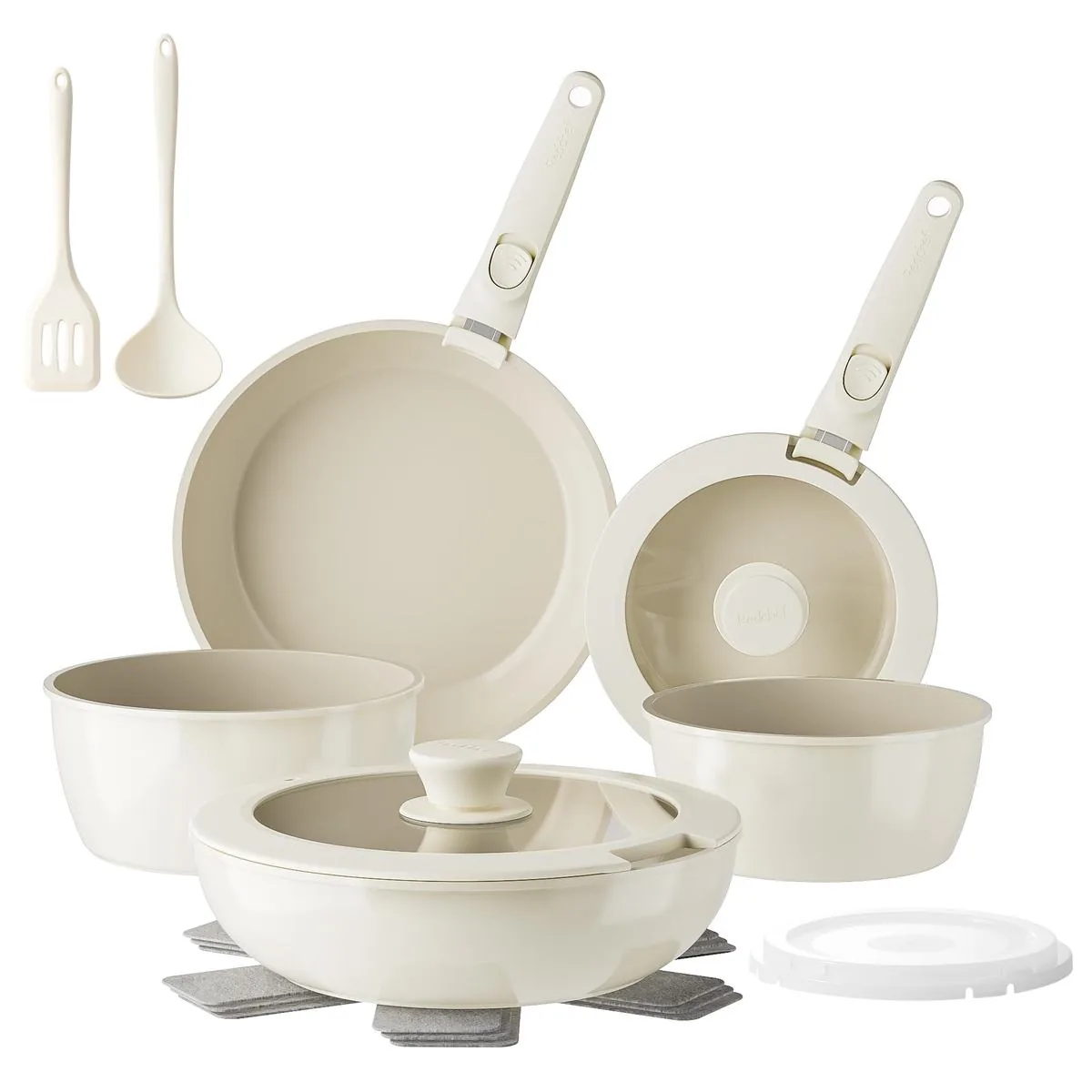
Three pans, no lids, 4.2 stars across 1,675 ratings. Where the ten percent one-star share comes from, and which of the three sizes actually gets used.
Read guide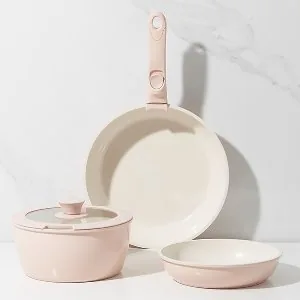
Three pieces means two vessels and a single lid. What 4.6 stars across 137 ratings covers, and the one limit the listing states plainly.
Read guide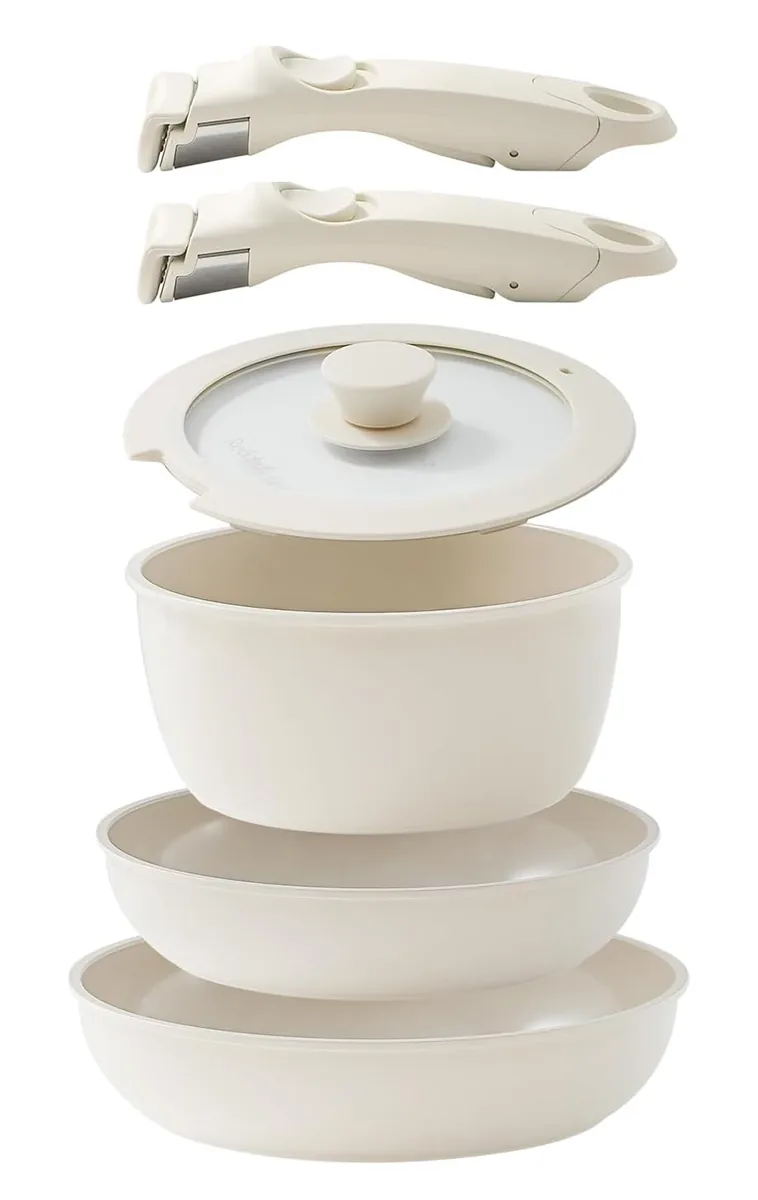
The bundle page shows one rating; the two pans inside it show 222 and 745. What a 7-inch saucepan cooks, and whether bundling saves anything.
Read guide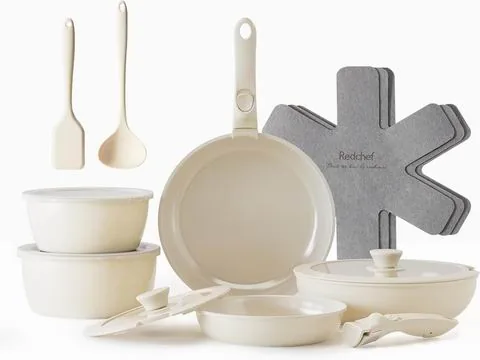
The only Redchef pan wide enough to brown and deep enough to braise. Why its 18 ratings differ from the 1,675 on the brand's flagship set.
Read guide
A 3-piece, a 6-piece, a 14-piece, a 16-piece and a three-pan frying set. What each one actually holds, which pan sizes match a normal range, and the two-year coating horizon.
Read guide
Ceramic nonstick is a coating, not a metal surface. What owners report at 12 and 24 months, the four habits that end it early, and the three tests that tell you it is finished.
Read guide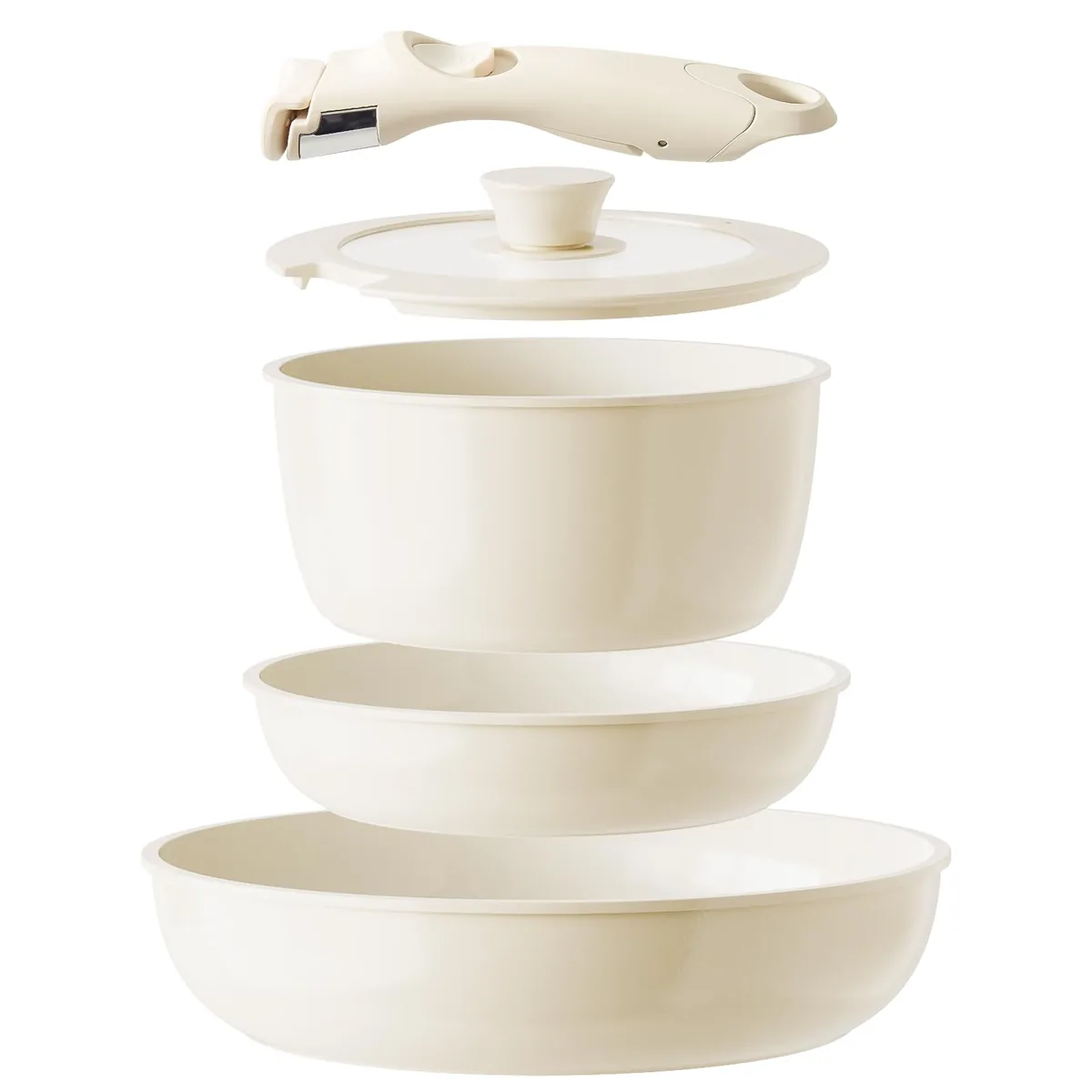
Lids and shared handles count as pieces, so a six-piece set can hold fewer usable pans than a three-piece set. How counts are built, and which count fits your kitchen.
Read guide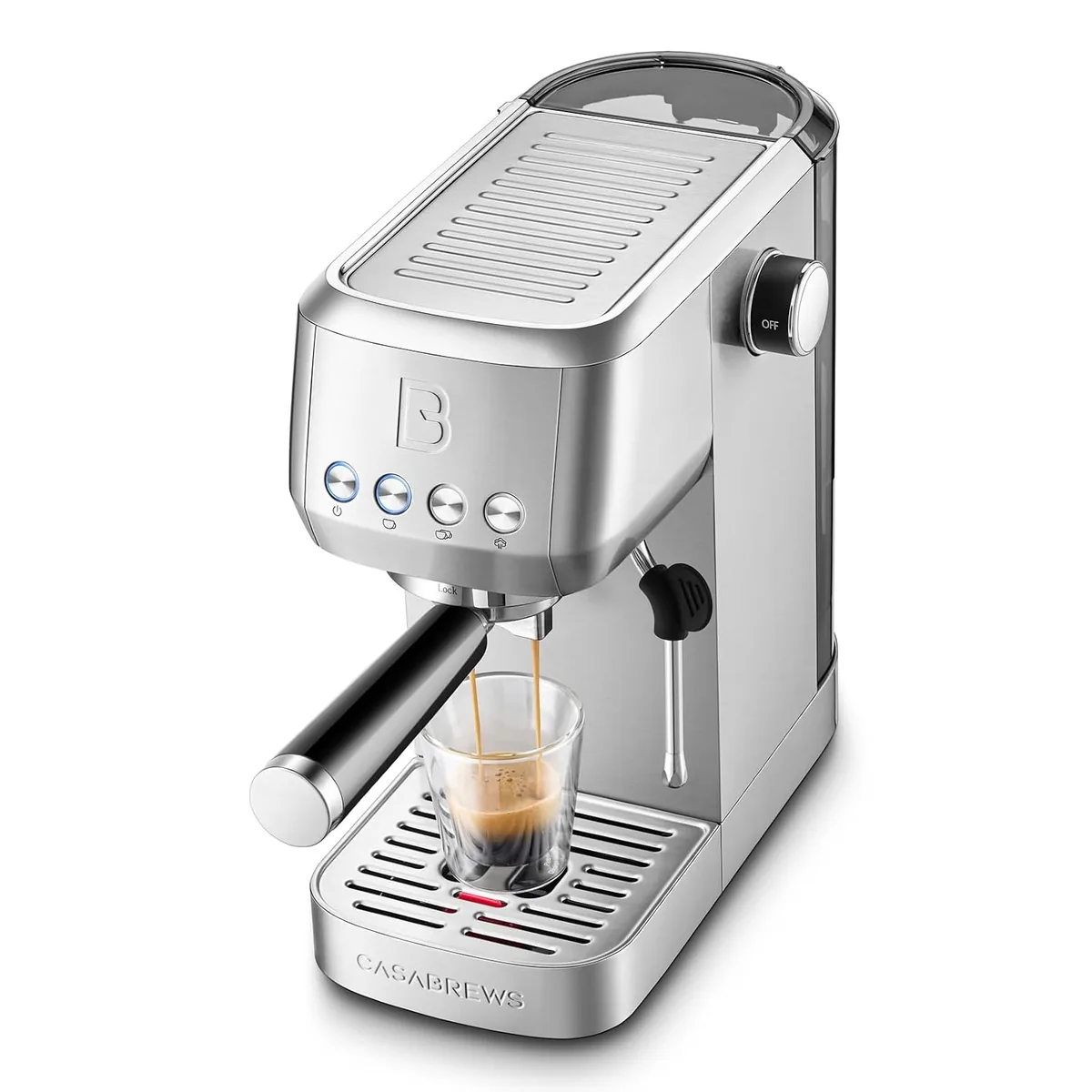
6.5 inches wide, a 43.9 oz removable tank and a 20-bar pump. What the specs mean, where 4,469 owner ratings split on durability, and who should skip it.
Read guide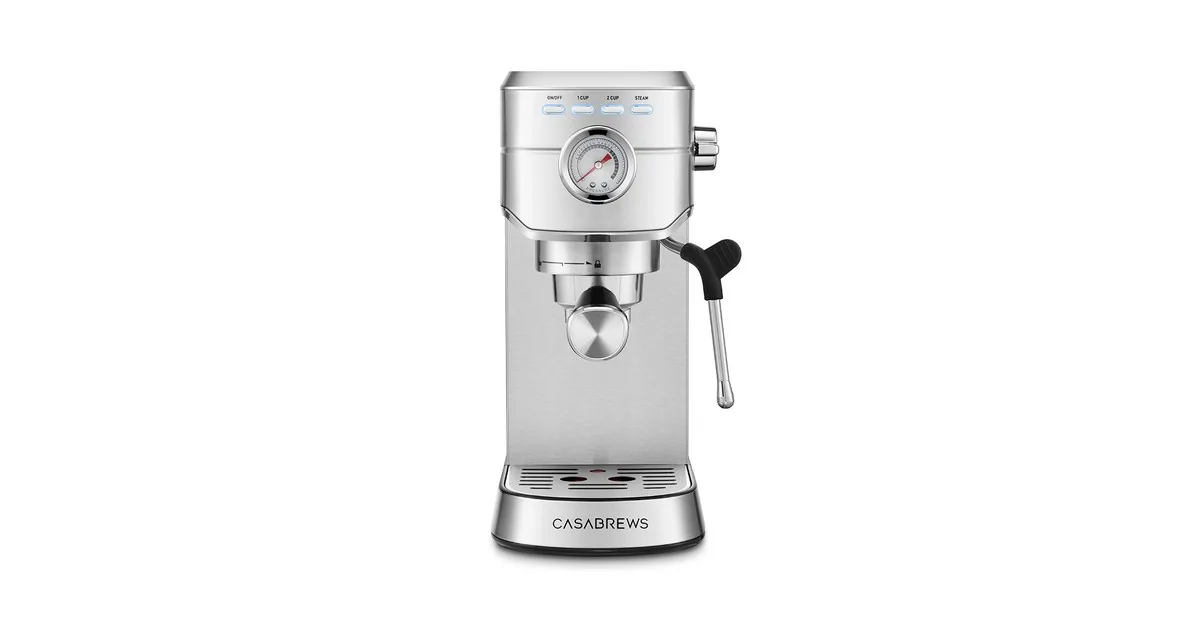
Basket type, boiler count, temperature control and group size decide the purchase. The bar rating on the box does not. How to read an espresso listing.
Read guide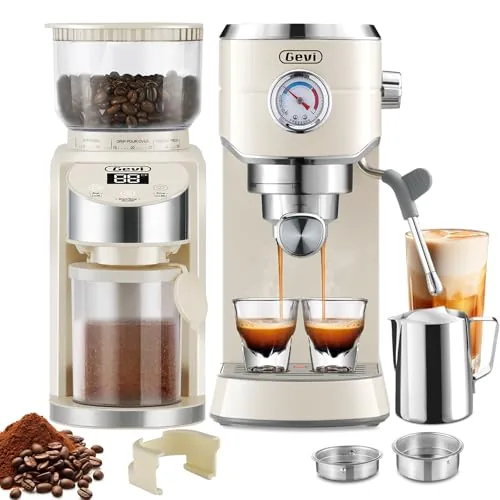
Machine plus separate grinder, one box with the grinder inside, or leaving espresso behind entirely — and the upgrade path each route leaves you.
Read guide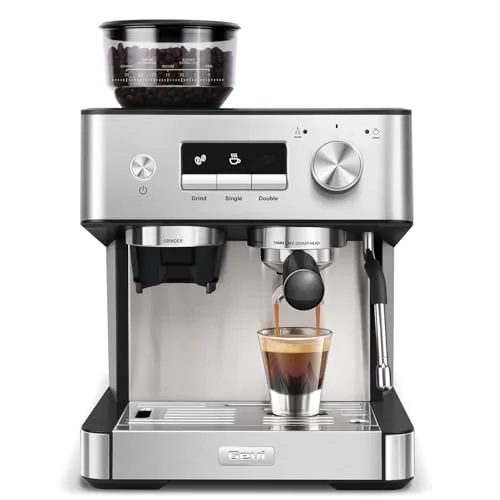
Dual boiler, 58 mm non-pressurised baskets, PID and a built-in grinder — plus a 16.5-inch height that decides the purchase before the specs do.
Read guide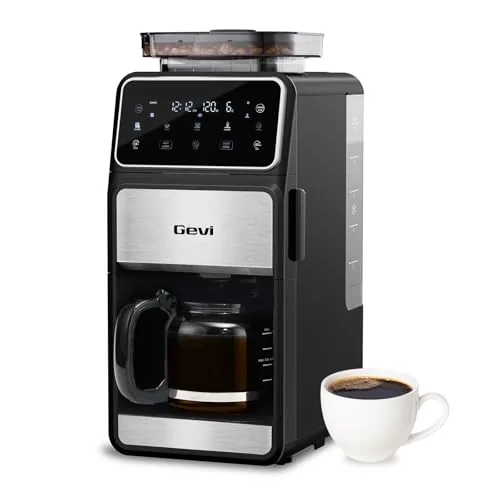
1.5 L, 8 grind levels, 3 strength settings and a 24-hour timer. What it solves, and where eight steps stop being enough.
Read guide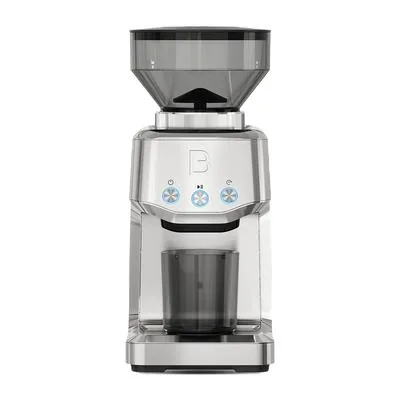
A 150 W conical burr grinder that doses into 51, 54 and 58 mm portafilters — the cheap fix for the part that limits most espresso machines.
Read guide
Same 51 mm group head and 20-bar pump, different tank, width and published specs. A side-by-side for a small counter.
Read guide
One body, one footprint, fresh-ground coffee. What the listing publishes, what it leaves out, and who should buy one machine instead of two.
Read guide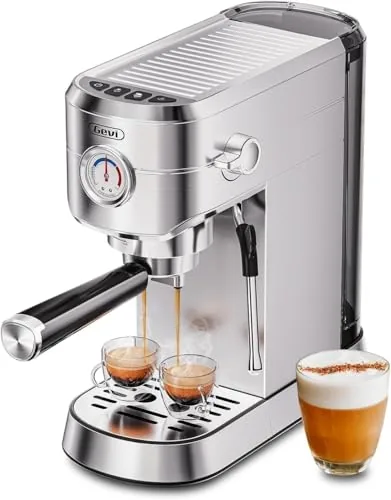
A 51 mm group head, PID control and a working gauge in an 8.8 lb body that is 5.5 inches wide. What the spec sheet means in practice, and who should skip the machine.
Read guide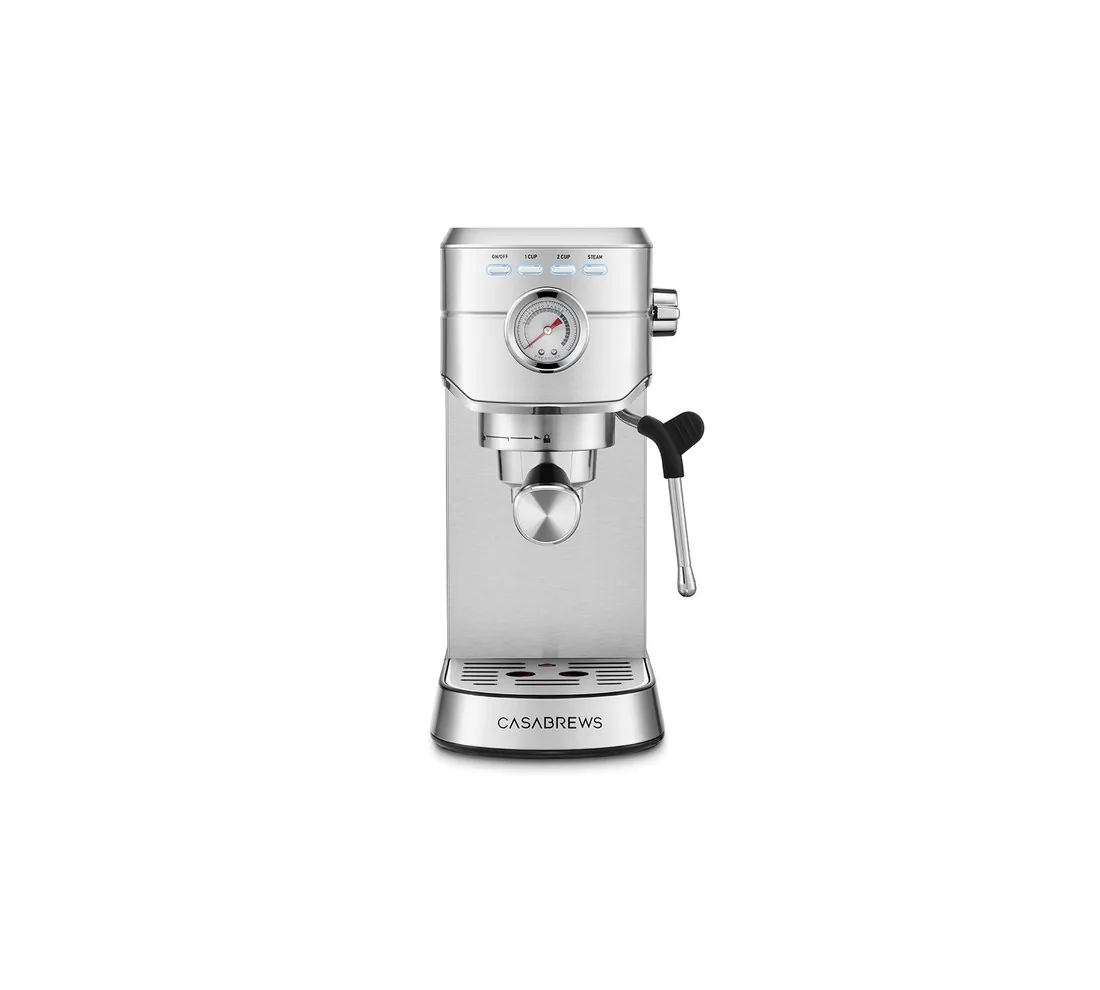
Three single-boiler machines compared on published specs: a 51 mm group head, PID control and a working gauge for under $200, plus one with a grinder built in. No hands-on testing — specs and owner reports only.
Read guide
A 20-bar single boiler in the entry-price band: the full spec sheet, what 8,274 owner ratings say, and the 10% one-star tail. Built from the listing and owner reviews, not a hands-on test.
Read guide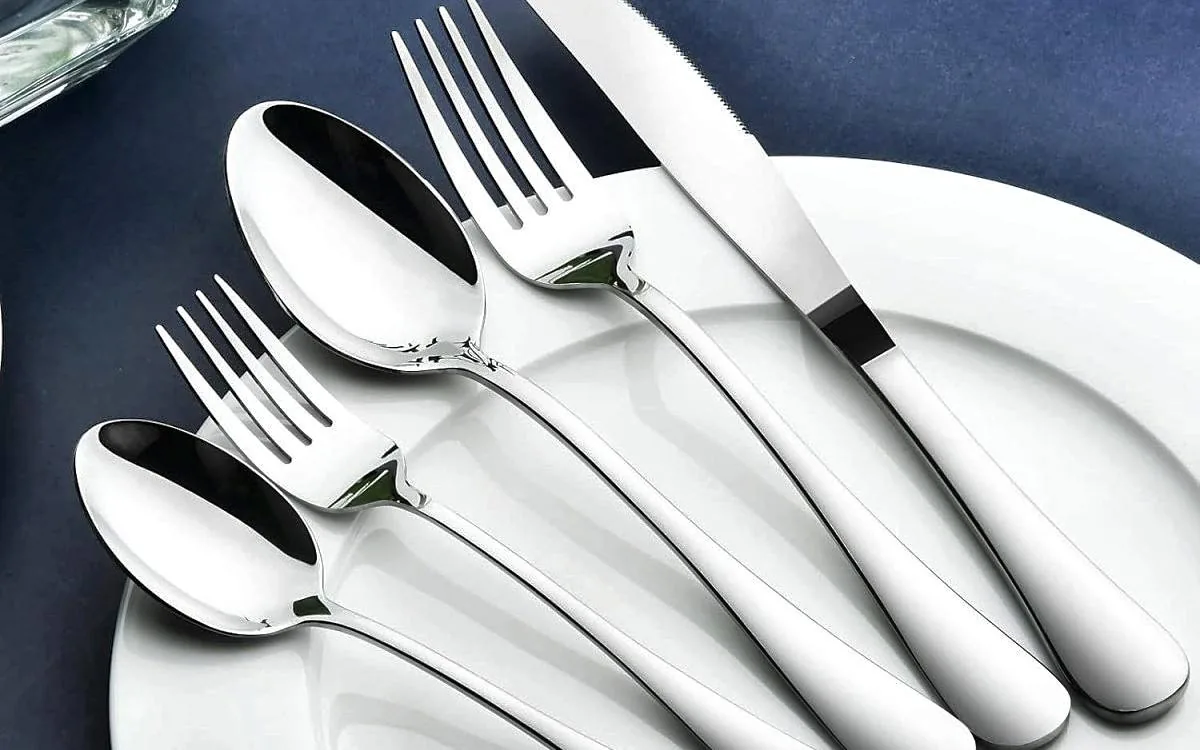
Both grades are sold as stainless steel. Only one contains nickel. How the grade shows up in shine, corrosion, weight, and cost per place setting.
Read guide
One is a coating that wears out, the other is metal that doesn't. A materials-first comparison of lifespan, heat tolerance, weight, and real cost per year.
Read guide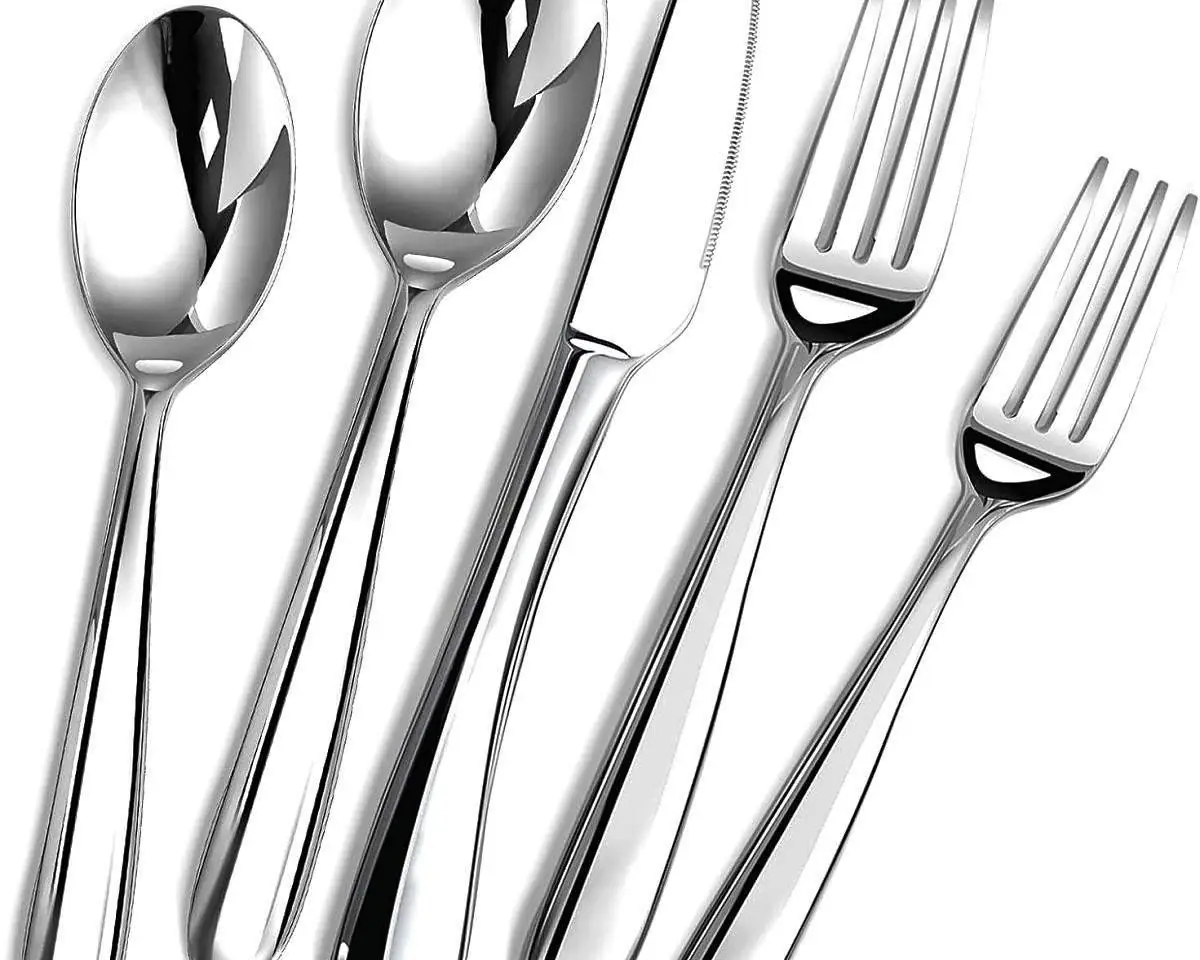
What's actually in the box, the per-place-setting math, the steel grade the listing won't name, and what 7,293 Amazon buyers report about this 12-setting flatware set.
Read guide